Quilt Batting 101 - Your Ultimate Guide to Choosing Batting
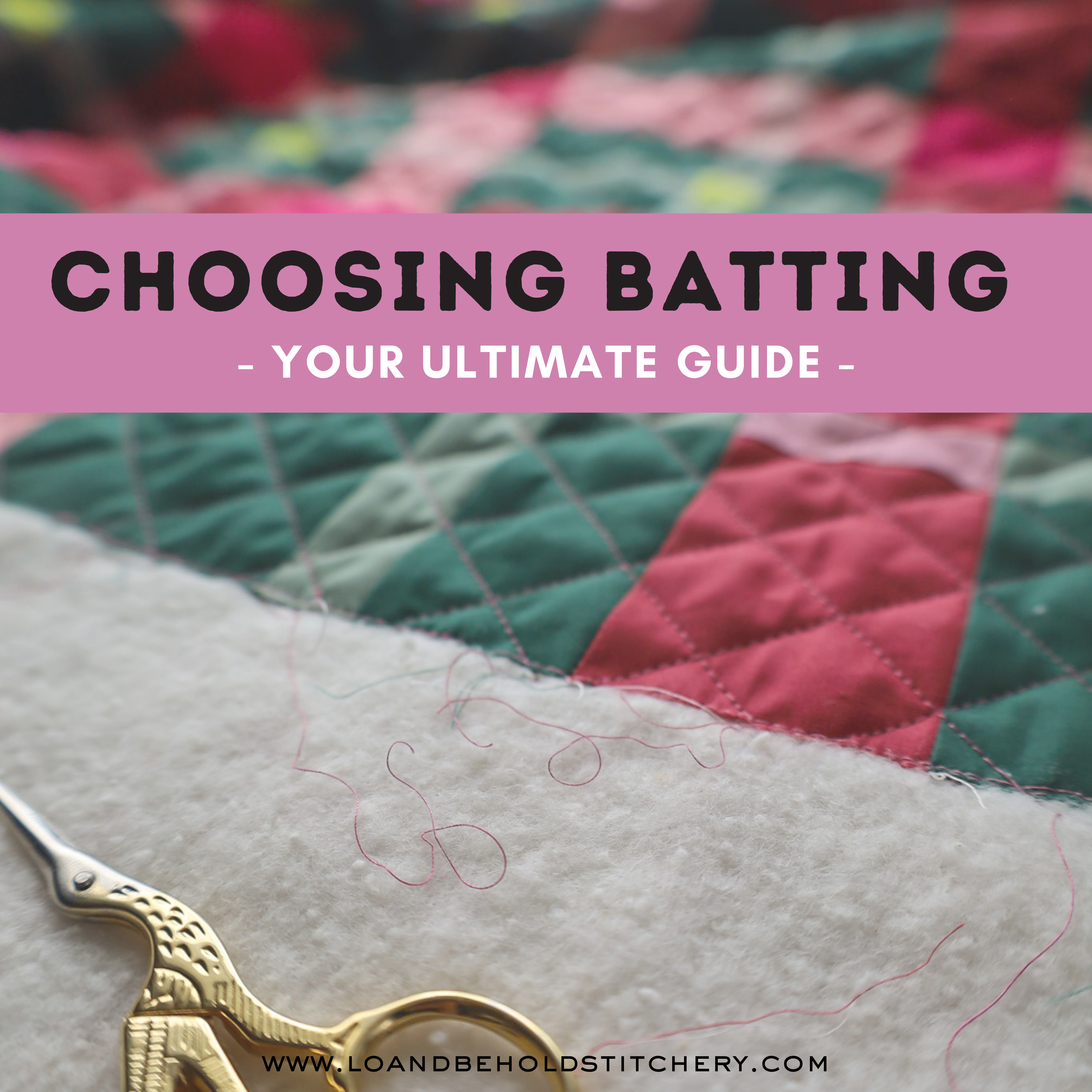
For something you don’t see, batting plays an awfully big role in the look and feel of your finished quilt…and even in how often your quilt gets used.
But if you’re anything like me, you spend lots of time planning your fabric pull, picking out the perfect quilt backing, and even auditioning binding fabrics…and then sometimes the middle of the quilt sandwich feels like an afterthought. Usually that’s not a big deal, but I’ve finished at least one quilt only to feel big batting regret later.
So today, let’s give batting the attention it deserves! I’m going to share all about what kinds of batting options you have, how to compare them, and how to pick the right one for your project.
TABLE OF CONTENTS
- Batting basics
- Types of quilt batting
- Choosing batting for your project
- Tips for working with batting
- My favorite quilt batting
- You may also like
- Batting FAQ

Batting basics
Before we start talking about your batting options, it helps to understand some of the terms we use to talk about quilt batting.
FIBER
When we describe quilt batting, we usually start by talking about the material it’s made from. You can find batting made from cotton, polyester, wool, bamboo, silk…or a blend of those fibers! The batting’s material will have a big effect on things like your quilt’s warmth, feel, and look.
WARMTH
Batting’s warmth means how warm the finished quilt will feel when you’re using it. Will it be a toasty, cozy quilt for the chilliest winter nights? Or will it be light enough for warm summer evenings?
BREATHABILITY
Breathability is all about the airflow. Breathable batting can help a quilt stay comfortable during hours of use, while some people will find a less breathable batting uncomfortable and stuffy after a while. As a rule, natural fibers breathe more than synthetic materials.

LOFT
Loft refers to a batting’s appearance. Does it look tall and fluffy? Or is it short and compact? Higher loft will make quilting stand out more, but lower loft batting can give you a more traditional look.
DRAPE
Just like some fabrics are soft and slinky (like some silks) and others are stiff and hold their shape (like quilting cotton), different kinds of batting have a different drape. Drape affects both the look of your quilt (especially how it hangs on the back of your couch) and the feel while you use it (like how much it conforms around your body).

SHRINKAGE
Some types of quilt batting shrink during routine washing and drying. On one hand, this helps to give quilts that crinkle so many of us love. On the other hand, you may not want your quilt to get smaller. Synthetic battings shrink less than natural battings.
COLOR
Batting mostly comes in a white and off-white (or “natural”), but you can also find black batting. You don’t need to stress too much about batting color, but if you have a very light quilt with lots of white, you might prefer true white batting…and if you have a very dark quilt, you might prefer black batting.

Types of quilt batting
Now that we’re all on the same page, let’s dig into the different types of quilt batting out there. We’re going to focus on the five most common types: cotton, wool, polyester, cotton-poly, and bamboo batting.
| Type | Price | Warmth | Breathability | Loft |
| Cotton | $$ | Warm | High | Varies |
| Wool | $$$ | Warmest | High | Medium |
| Polyester | $$ | Warmer | Low | Varies |
| Cotton-poly | $ | Warmer | Mid | Low-Medium |
| Bamboo | $$$ | Coolest | High | Low-Medium |
100% COTTON BATTING
Cotton batting might be the most popular choice for quilt batting! Cotton batting isn’t the -est for just about anything (not the warmest, cheapest, or drapiest), but it’s a good middle-of-the-road option that makes it a good choice for lots of quilts.
For instance, cotton isn’t the warmest choice, but it is pretty breathable and warm. Think of it as a three-season batting: You might want something warmer for a New England winter, but a cotton quilt will stay cozy most of the year.
Plus, while low-loft cotton batting is the most common, you can find cotton batting in different lofts, from very thin to thick and plush. It comes in all the different colors, too, including white, natural, and black. Oh, and it’s a renewable fiber too!
On top of all that, cotton batting stays relatively affordable compared to wool and bamboo. And because it has so many good qualities, you can find cotton batting at most quilt shops. No waiting for shipping!
Cotton does shrink a bit (often between 3% and 5%), which can be a plus or minus depending on how you feel about quilt crinkle.

WOOL BATTING
Wool batting is another natural fiber, and while it may not get quite as much use as cotton, it has plenty of devoted fans.
Many quilters love wool for its warmth. Wool batting is warmer than cotton, making it great for cold weather use. Even better, wool stays really breathable, making it cozy and comfortable during all but the warmest months.
Wool batting also has a higher loft than many other battings, along with a nice, bouncy feel that makes it great for showing off quilting. Add in the fact that wool batting resists fold lines better than cotton, and you can see why lots of quilters use wool for heirloom quilts.
❔ |
Is wool batting 100% wool?
|
On the downside, wool batting can get spendy. It’s the most expensive of the common batting types, which can make wool a big investment for a bed-size quilt. Plus, some people have wool allergies, so wool batting isn’t the best fit for charity quilts.
Like cotton, wool batting can shrink dramatically, so keep that in mind if you use it.
POLYESTER BATTING
Polyester batting is fully synthetic, but that comes with some advantages. For starters, polyester batting is super washable. You can wash it all you want (without any fancy soaps or cycles), and your polyester batting won’t shrink…or really change in appearance at all. It will keep its high loft without any crease marks, wash after wash, fold after fold.
Then there’s the cost. Polyester batting is the most affordable option, which makes it great for beginner quilters trying out the hobby or for anyone on a budget. (Though I do recommend going for a reputable brand like Quilter’s Dream instead of using the cheapest poly batting you can find.)
Those two factors make polyester a great choice for kids’ quilts and charity quilts. Your recipients won’t have to worry about ruining a quilt with polyester batting, and you won’t break the bank.
Polyester batting does have a very warm feel, especially considering how light it is. Unlike wool, though, polyester batting isn’t very breathable. It has come a long way in the last few decades (so don’t base your polyester opinions on your grandma’s quilts)...but if synthetic fabrics make you sweaty, so polyester batting likely will too.
One other thing: some people worry about the environmental impact of polyester batting. That’s a bigger discussion than we can have here, so I’ll just say that you can find recycled poly batting, which is a more sustainable option.
COTTON-POLY BATTING
Cotton-polyester blends give you the best of both worlds.
For example, cotton-poly batting tends to feel warmer and lighter than pure cotton, but it’s more breathable than pure polyester. It resists shrinking and crease lines better than cotton, but it feels less synthetic than polyester. Cotton-poly batting is also one of the most affordable options, and it comes in white, natural, and black.
In other words, cotton-poly batting can be a great compromise when other battings don’t feel quite right.
You’ll mostly find cotton-poly batting in an 80/20 blend (which means it’s 80% cotton and 20% polyester), but you can also find 70/30, 65/35, and even 50/50 blends if you look around.

BAMBOO
Finally, there’s bamboo batting. You may have noticed that lots of people are head over heels for bamboo…and there are some good reasons for that!
Quilters love this one for its soft drape, which helps it to photograph beautifully…and look great draped on a quilt ladder or couch.
Compared to other options, bamboo feels very light and breathable, which makes it great for warm climates and summer quilts…but bamboo could feel a little cool if you’re looking for maximum coziness.
❔ |
Is bamboo batting environmentally friendly?
|
The downsides? Bamboo batting is one of the pricier batting options. And while lots of quilters do love that drapey look and feel, the low loft and lack of cozy warmth mean bamboo might not feel enough like a traditional quilt for some people.
OTHER BATTING OPTIONS
We’ve covered the most common types of batting, but you actually have even more options, like these:
- Silk
- Cotton/bamboo
- Wool/poly
- Cotton/wool
You probably won’t find these at your average quilt shop, but you can find them online.

How to choose batting your next project
Even if you stick to the five most popular kinds of batting, you have a lot of options to choose from! So how do you decide which one to use in your quilt? I suggest asking yourself these questions:
- Do I need a specific color of batting?
- How warm do I want my quilt to feel?
- How do I plan to wash and care for this quilt?
- What do I want the finished quilt to look like? Do I want it to have dramatic quilting? Or a soft drape? Do I want crinkles or a smooth finish?
As you think about your answers, determining which batting will (or won't) work for you may come easily!
If you know you want black batting, for example, you know 100% cotton, wool, and bamboo are off the table. On the other hand, if you care a lot about having a very warm but breathable quilt, you’ll probably want wool batting.
If you’re still not sure, I recommend a classic 100% cotton batting. Like I said before, it’s popular for a reason!

Tips for working with quilt batting
Once you’ve figured out what batting to use, you’re ready to get basting and quilting! These tips can help:
1. PREP YOUR BATTING...OR DON'T.
You don’t need to wash or dry your batting before you use it, but you can. If you want to avoid quilt shrinkage with your natural batting, prewashing can help. Simply soak your batting in warm water (probably in your bath tub), gently press the water out, and then let it dry completely. Be as gentle as possible, so you don’t damage your batting.
2. FOLLOW MANUFACTURER RECOMMENDATIONS FOR QUILTING DENSITY.
Each brand and type of batting should come with guidelines on quilting density, or how far apart you can quilt. For example, with Quilter’s Dream 100% cotton batting, you can quilt up 8 inches apart. For Hobbs Tuscany Wool batting, you need to quilt every 4 inches. Following these guidelines will make sure your finished quilt holds up to use.
3. USE A FRESH, SHARP NEEDLE TO PREVENT BEARDING.
It’s always a good idea to use a new needle when you’re quilting. It makes your life easier as you quilt…and it helps to keep your quilt from bearding (when wisps of batting poke out from your quilting stitches).

My favorite quilt batting
Some people have one batting they love and use for every project…but I’m not one of them! I change up my batting depending on the quilt and my plans for it.
In general, I love using 100% cotton, wool, or an 80/20 blend. I’d say I mostly use Quilter’s Dream batting, because I really do find it dreamy to work with!
If I had to pick, I use Quilter’s Dream Cotton Select more than anything else, because it’s such a versatile batting. It’s a midweight 100% cotton, and it works great with all kinds of quilting.
I also really love Quilter's Dream Wool batting, especially if I'm quilting it myself (see below). It's just so lovely and fluffy!

But that’s just what I use. Maybe you’ll prefer something else! I hope this guide helps you to find the best batting for you and your quilts…however warm, lofty, drapey, and crinkly you want them to be.
Happy quilting!
You may also like…
- The Essential Guide to Quilt Thread
- Pin Basting 101: How to Baste Your Quilt, No Spray Needed
- Straight-Line Quilting Tutorial - Easy Machine Quilting
- 7 Fabric Types for Quilting — & How to Use Them Together Successfully
- Quilt Finishing Fellowship - our all inclusive online course to help you finish your quilts with confidence!

FAQ about quilt batting
WHAT IS THE BEST BATTING FOR A QUILT?
The best batting for a quilt depends on your budget and preferences. If you want a cozy quilt for cold weather, for example, you might prefer wool batting. But if you don’t want to spend much, a cotton poly batting is probably the better choice.
If you don’t have strong preferences, cotton batting is a popular choice because it’s a good balance of cost and warmth…plus it’s widely available in different brands, lofts, and colors.
CAN YOU MAKE YOUR OWN BATTING?
It is possible to make your own quilt batting, but unless you’re really picky about your batting, it’s probably not worth it for most quilters. It takes lots of time and specialized equipment, so I recommend buying quality quilt batting instead.
CAN YOU USE A TOWEL INSTEAD OF BATTING?
While you can use lots of kinds of battings and batting substitutes (including wool blankets and even old quilts), I wouldn’t suggest using towels as quilt batting. They’re too dense and heavy…not to mention hard to quilt through!
HOW MUCH BIGGER SHOULD YOUR BATTING BE THAN YOUR QUILT TOP?
If you’re getting your quilt longarmed, most longarm quilters ask for at least 4” of extra batting on each side of your quilt top (so an extra 8” of height and an extra 8” of width).
If you’re hand quilting or using a domestic quilting machine, you still want some extra batting, but you can get away with 2” or so bigger than your quilt top.